Websites that fill appointment books
A new patient decides whether to book with you in about ten seconds — before they've read a word of your qualifications. Most allied health sites lose them there: slow templates, stock photos of smiling models, and a booking link buried three clicks deep. I build hand-coded sites for allied health practices that load instantly, read as genuinely credible, and put the booking action front and centre on every page.
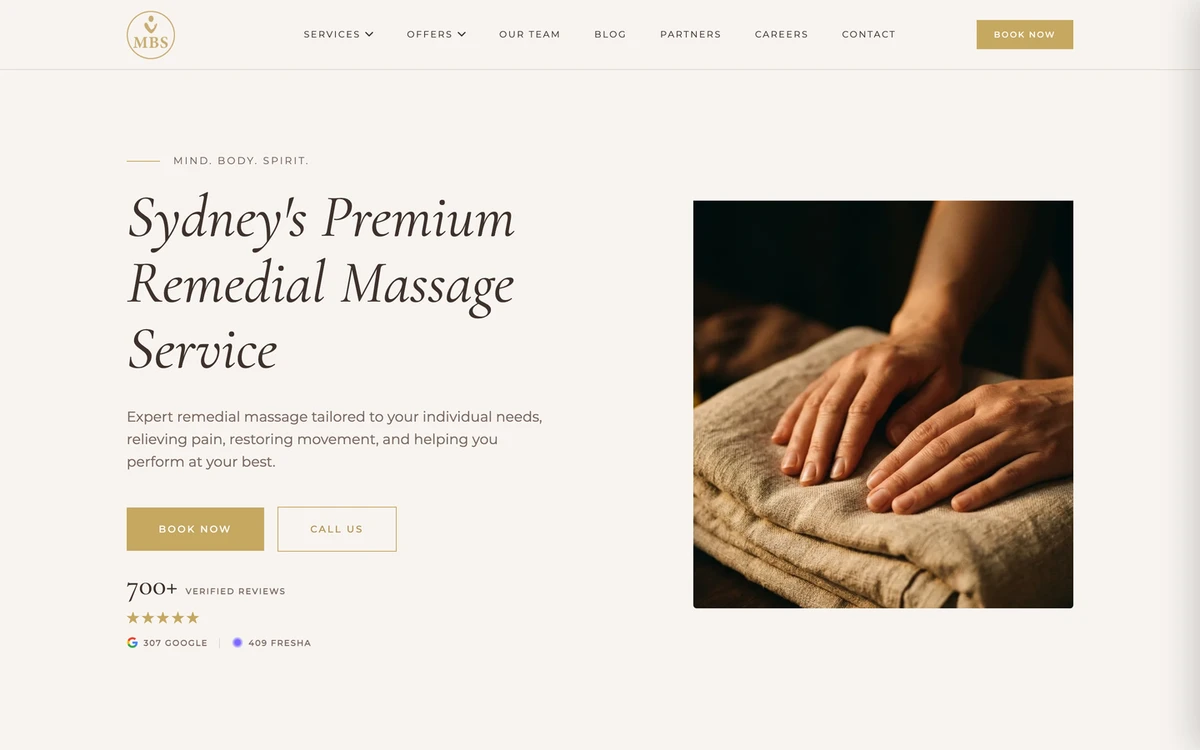
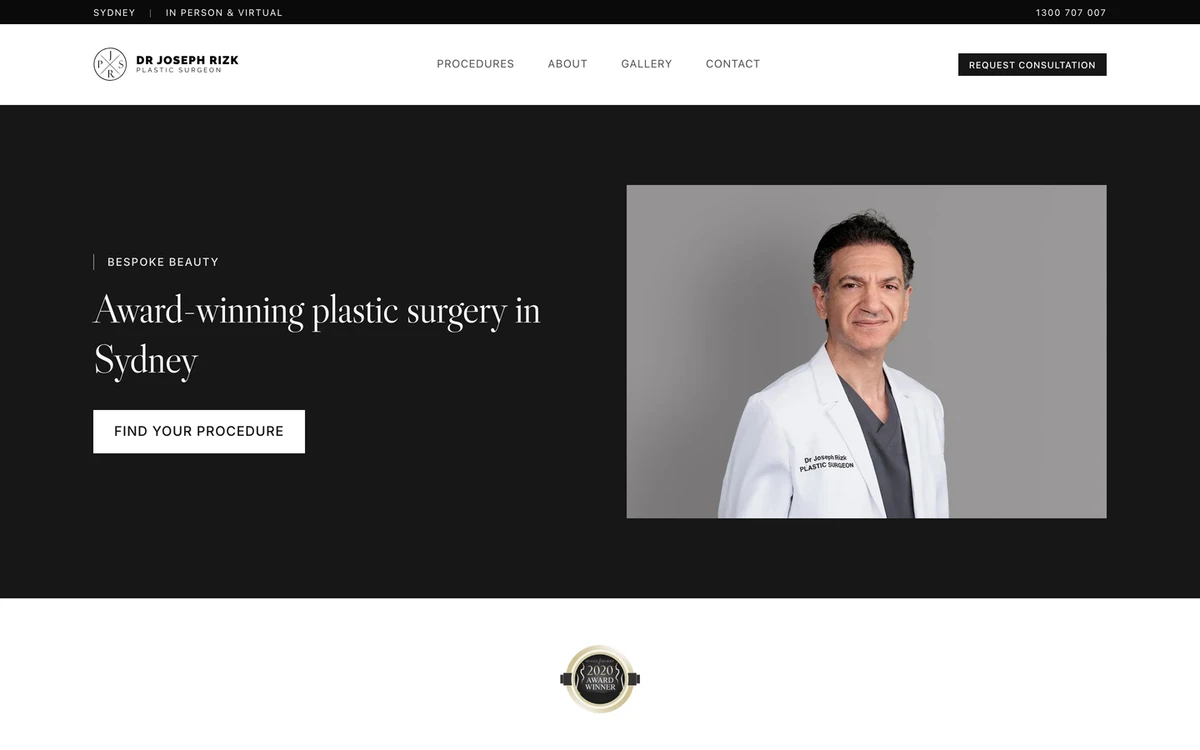
What an allied health website needs to do
Drive online bookings
Most allied health enquiries convert through a booking system, not a phone call. Your site needs the booking action visible without scrolling, connected to whatever you already run — Cliniko, Halaxy, Nookal, HotDoc — so a ready-to-book patient never has to hunt for the button.
Build clinical trust
Patients are trusting you with their body or their mind. Real photos of your practice and practitioners, clear qualifications and registrations, and plain-language descriptions of what a first visit looks like do more for conversion than any amount of design polish.
Rank for local searches
"Physio near me" and "[suburb] chiropractor" searches are how new patients find a practice. Hand-coded sites with clean markup, fast load times, and proper local schema give you a structural advantage over the template sites most competing clinics run.
Work on mobile
A patient in pain is searching from their phone, often between other things. If the site is slow or the booking button is fiddly on a small screen, they book with the next clinic in the results instead.
Why hand-coded, not a clinic template
Most allied health sites run on the same handful of WordPress health templates — which is why so many clinic sites look interchangeable, load slowly, and need a developer every time a practitioner joins or leaves.
A hand-coded site is built around your actual practice: your practitioners, your services, your booking system, your suburb. It ships only the code it needs, which is most of why it loads fast, ranks well, and costs nothing in platform maintenance.
It also means the details that matter in health get done properly — practitioner registration details where patients look for them, service pages that answer real patient questions, and accessibility that works for every patient who lands on the site.
Practices I build for
Common questions
Straight answers before you ask for a quote.
How much does an allied health website cost?
Most practice sites come in between $3,000 and $5,000 fixed, depending on the number of practitioners and services. Agencies quote $8,000+ for the same scope. You get a fixed price within 48 hours — no hourly billing.
Can you integrate my booking system?
Yes — Cliniko, Halaxy, Nookal, HotDoc, and most other practice management systems. The booking action sits front and centre on the site and hands off to the system you already use, so nothing about your admin workflow changes.
Can you help new patients find us on Google?
Yes. Every site is built to rank locally — fast load times, clean HTML, local business schema, and service pages structured around what patients actually search for, like "physio [suburb]" or "remedial massage near me".
We already have a website — can you rebuild it?
Yes, and it's usually the faster path since your content already exists. Most clinic rebuilds take 2–4 weeks, your existing site stays live throughout, and I set up redirects so any rankings you've built carry over.
Do you understand health advertising rules?
I build with AHPRA's advertising guidelines in mind — no fabricated reviews, no prohibited testimonial formats for regulated services, and claims worded so your site doesn't create compliance headaches for you.